




Marking World Cancer Day, Don Bosco Mobile Clinics supported by BREADS, organised a series of health education and cancer awareness programmes across Kalaburagi, Yadagiri, Devadurga, Bidar and Davanagere districts on 4-5 February 2026. The programmes raised awareness about cancer, its causes, early warning signs, prevention and the importance of timely medical care, particularly among rural and underserved communities.
In Kalaburagi district, the Don Bosco Mobile Clinic team conducted a health education programme at Kallabenur village. The session was facilitated by Dr Prasad, Mobile Clinic Doctor, who explained that cancer is a major global health challenge but can often be prevented and successfully treated if detected early. He highlighted risk factors such as tobacco use including gutka, bidi and cigarettes, unhealthy food habits, lack of physical activity and genetic factors. He encouraged villagers to seek medical care if early signs such as unexplained lumps, sudden weight loss or persistent cough appear.
In Yadagir district, a primary health checkup, home visits and cancer awareness sessions were organised in Arikera K village, reaching 52 people through health check-ups and 28 persons through health education. The team stressed that early detection could save lives, encouraging regular health check-ups, a healthy lifestyle and avoidance of tobacco and alcohol.
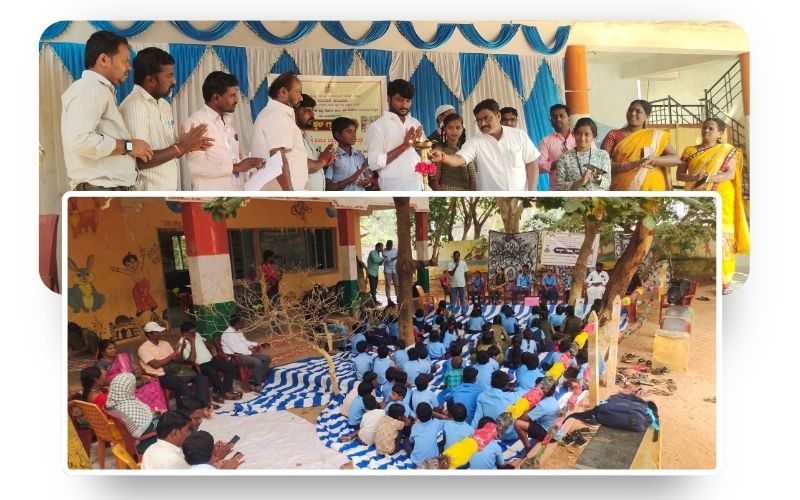
At Devadurga, a cancer awareness session was held at Government Higher Primary School Teggihal, focusing on causes, early symptoms and preventive measures, with 39 participants actively engaging in discussions.
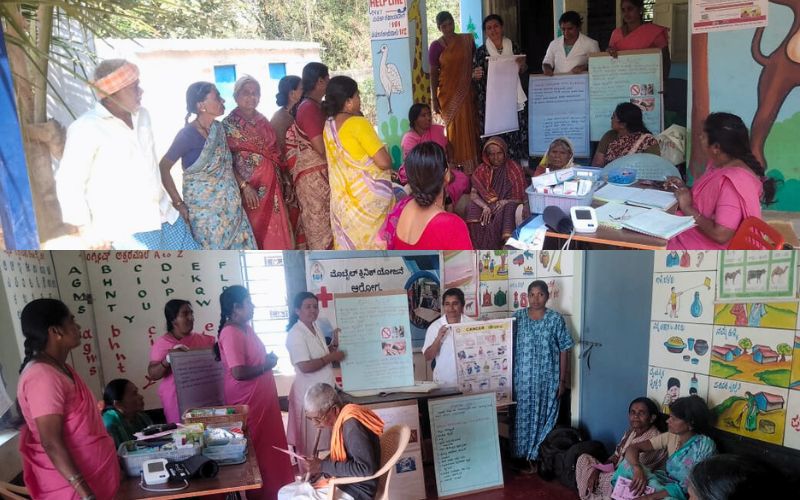
In Bidar district, a cancer awareness programme was conducted in Vilaspur village. The team used songs and posters to explain causes, symptoms and treatment options in a simple and engaging manner. About 25 community members participated and shared positive feedback.
In Davanagere district, the team supported by the Auxiliary Nurse Midwife from Hemanabetur Primary Health Centre, explained cancer symptoms, causes, treatment options and preventive care, with special focus on breast cancer awareness. The programme reached 31 participants, including 24 women and 7 men.
Across all locations, the programmes helped reduce fear and misinformation around cancer and encouraged people to take responsibility for their health. Participants learnt the importance of early screening, healthy living and timely medical consultation. These efforts reflect BREADS and its partners commitment to strengthening community health awareness through grassroots outreach.