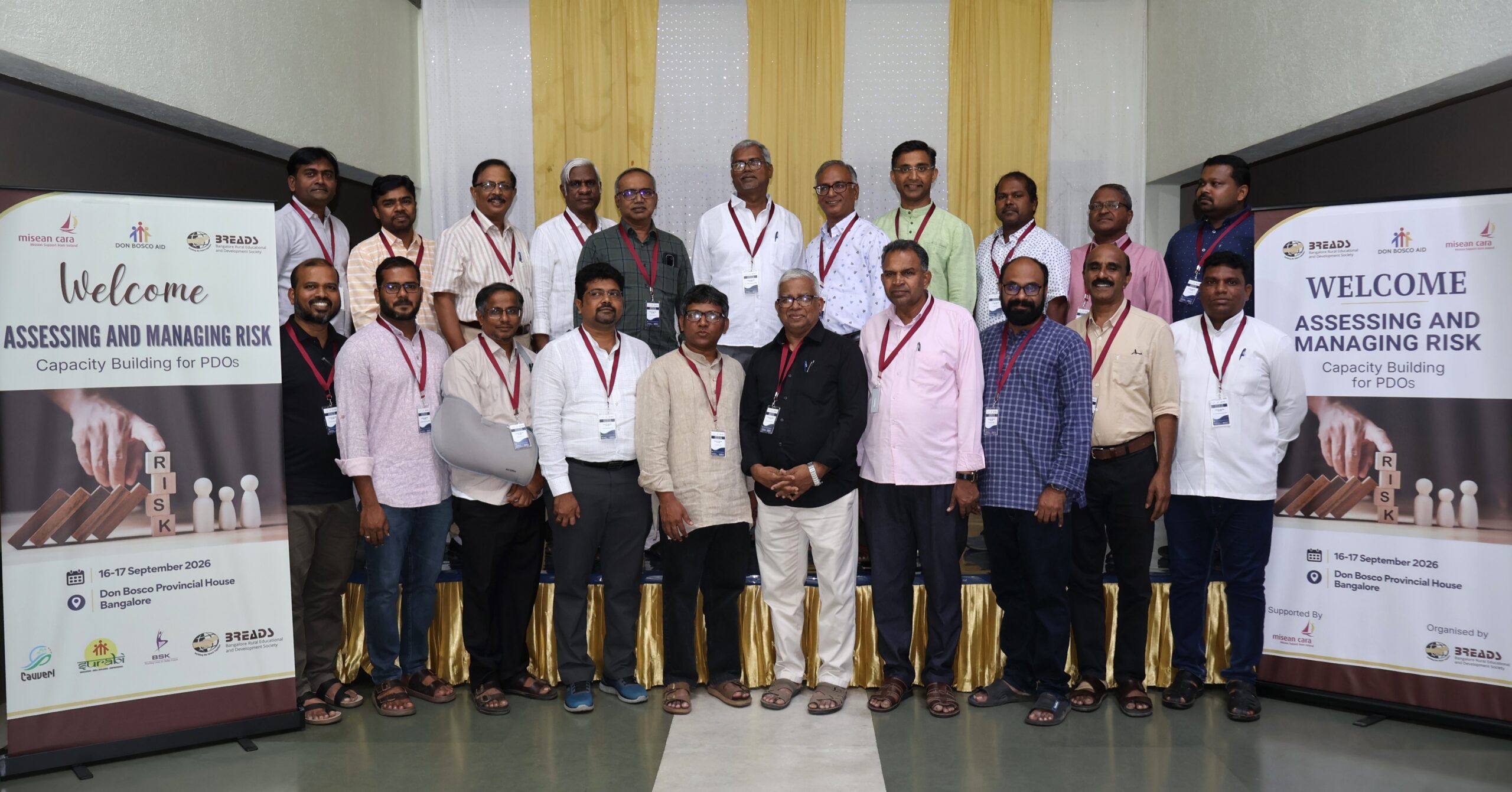





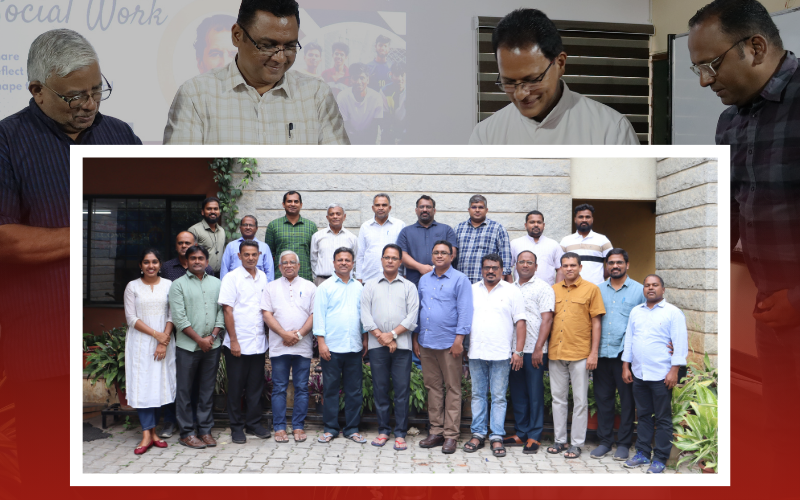
The two-day workshop titled New Vistas in Social Work, brought together 17 Directors of the partner-organisations of BREADS from Karnataka and Kerala on 1-2 July, to reflect, share and shape the way forward about their various social interventions. The programme was inaugurated by the Provincial, Dr. Jose Koyickal, who reiterated that the basic criterion for the discernment of all Don Bosco’s services, was the poor. He challenged everyone to examine whether BREADS programmes were always directed towards reaching the underprivileged. Fr. PS George, the Executive Director of BREADS, fittingly introduced the workshop, as the chance to explore contemporary challenges in the field of child and youth care, while reaffirming Don Bosco’s mission to serve the most vulnerable in alternative forms. The workshop was a platform for the partners to exchange insights, share field realities and draw inspiration from one another in effectively implementing social interventions.
The session, Alternative forms of Care for the Young at Risk, presented by Fr. Varghese Pallipuram, the Executive Director of BOSCO Bangalore, offered a comprehensive overview of foster care, kinship care, group foster care, sponsorship, adoption, aftercare etc., anchored in the Juvenile Justice Act, Model Foster Guidelines 2024 and Mission Vatsalya of the government. The presentation emphasised legal frameworks, eligibility criteria and implementation mechanisms of alternative forms of care for children. The participants discussed the systemic and practical challenges in adoption and foster care programmes, including issues of social stigma, regulatory delays and lack of public awareness. The Directors presented their annual reports, reflecting psychosocial interventions, educational support, migrant outreach, skill development initiatives and the successful rescue and reintegration of vulnerable children. Special mention was made of government awards and the launch of meaningful publications and digital initiatives.
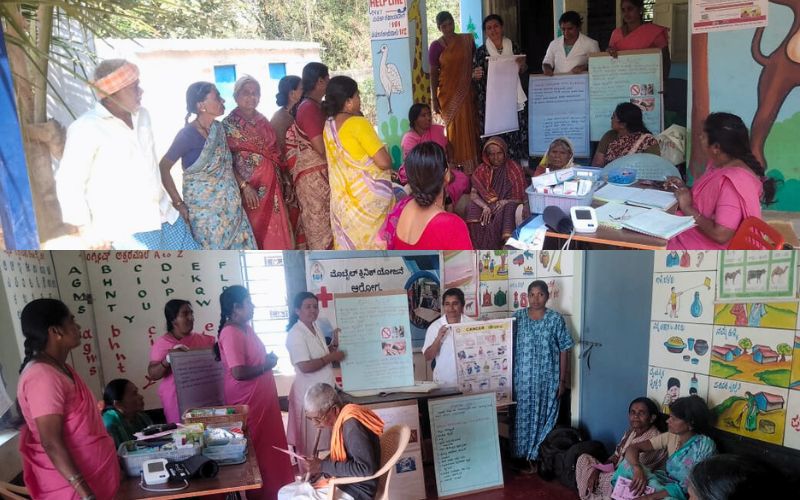
Looking ahead, the planning session for the upcoming year focused on strengthening programmes such as mobile health clinics, migrant support desks, NIOS education for school dropouts and the setting up of drug rehabilitation facilities. Developing child-friendly cities and expanding leadership capacities within the organisations were also proposed. Practical workshops on communication, leadership, and goal setting helped to improve the personal effectiveness of the participants. The workshop concluded with renewed energy and a shared commitment to uphold the rights and dignity of children through holistic, community-based care rooted in compassion and professionalism.